

Salesforce: An Unexpected Journey
Practical Salesforce guidance for wherever you are on the trail, from your first org to production architecture.
👤 The unexpected path behind JamForce
Section titled “👤 The unexpected path behind JamForce”None of this was really the plan. I came to New Zealand for a trip and ended up building a life here. Salesforce arrived in much the same way: I encountered the platform while testing a wider architecture, took a second look, and eventually built a career across development, architecture and governance.
JamForce is where I turn that unexpected path into practical guidance for you. The guides explain how Salesforce works, but they also cover the decisions, limits and production realities that tend to appear after the tutorial ends.
It began as a way of checking my own understanding. Writing a topic up properly is the fastest way I know to find the gaps in it, and a good number of these pages started as me confirming something I thought I already knew. It has since grown into more than sixty guides and articles, covering the platform model, administration, Apex and the developer track, query languages, the product landscape, and the roles people actually hold. More about who writes it, and why.
📖 Two kinds of writing
Section titled “📖 Two kinds of writing”There are two kinds of writing here, and they are meant to be used differently.
The guides teach a subject in order. They assume you are learning something and want each idea to rest on the one before it, so the Developer Journey starts with how the platform is put together long before it reaches Apex, and the SOQL guides start with SELECT before they reach selectivity and query plans. Read a collection in sequence, or rejoin it at the stage that matches what you already know. Guides get revised as the platform moves underneath them.
The articles assume the opposite. You already work with Salesforce and you have hit one specific thing: a retirement deadline, a feature you are weighing up, a production symptom that makes no sense. Each one takes a single change or problem and follows it through to a decision, including the limits and the parts the release note leaves out. They are tied to a moment, so each carries the date its claims were last checked.
Most people end up using both. The guides give you the model. The articles tell you what just changed and what it will cost you.
Browse all Salesforce guides → · Read the latest articles →
📍 Where are you starting from?
Section titled “📍 Where are you starting from?”If you would rather not browse a catalogue, start from the description closest to your situation. Each one opens a structured guide at the point where it will make sense to you, rather than at the beginning of everything.

📜 Latest Salesforce articles
Section titled “📜 Latest Salesforce articles”Each article takes a single release change, integration decision, or production problem and follows it through to what you should actually do about it. Salesforce ships three times a year, so a fair amount of this is working out which announcements deserve your attention now and which can wait until they leave pilot.

Retiring SOAP Login and Legacy Auth
Find every SOAP login() and OAuth username-password dependency, choose a modern OAuth replacement, and prove the old path is gone before the 2027 retirements.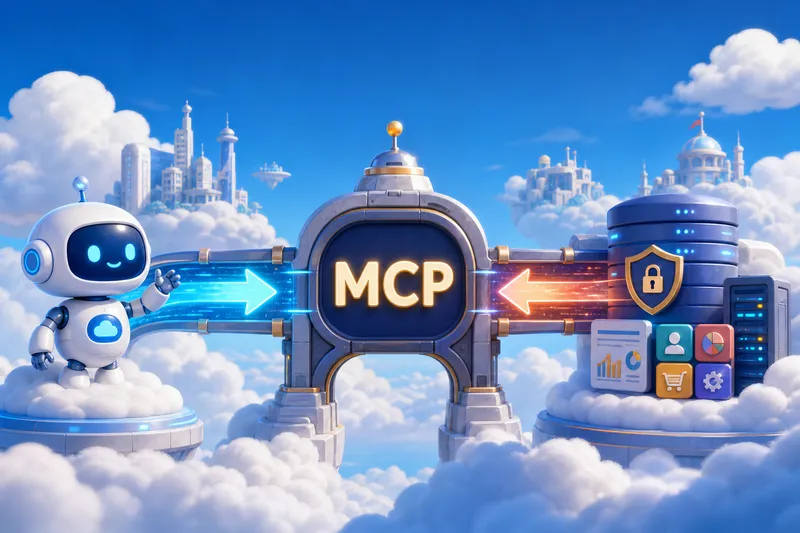
Salesforce MCP: architecture and adoption
Understand the two Summer '26 connection directions, their trust boundaries, and when MCP adds enough value to justify the operational work.
Salesforce MCP: setup and release
Build either connection direction safely, from registration and OAuth through allowlisting, Gateway policies, testing, monitoring, and release checks.View all Salesforce articles →
🔐 Written from real Salesforce work
Section titled “🔐 Written from real Salesforce work”JamForce is independently written and maintained, drawing on hands-on work across development, architecture and governance in large orgs that have been running long enough to accumulate real consequences. Background, certifications, and how to verify them are on the about page.
Where the platform’s documented behaviour ends and practical interpretation begins, JamForce tries to make that distinction clear. Claims about how Salesforce behaves are checked against first-party sources or verified in an org, and anything not tested hands-on is flagged as researched rather than presented as experience.
Every page carries the date it was published and the date it was last reviewed, because Salesforce moves and writing about it goes stale in ways that are not visible from the page. Corrections are made and recorded rather than quietly buried, and reports of errors are genuinely welcome.
JamForce is independent and is not affiliated with Salesforce. Advertising may appear to cover the cost of running the site, but advertisers do not choose topics, review drafts, or influence conclusions.